A first morning with binoculars
Get used to keeping objects in view.
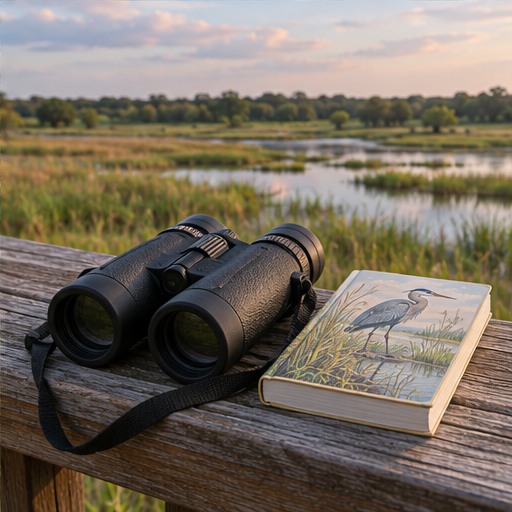
Binoculars are not just about magnification. Within a short space of time you can learn to use your binoculars to locate, observe and follow wildlife. The first step to being able to follow birds through the trees is to practice viewing a single point such as a branch or a post. Return to it within the session to practice viewing a stationary subject again and again.
Start with a branch you can already see
Start with something easy to see, i.e. a large stationary object such as a tree, a fence post, etc. Practice viewing this object with your new hand-held binoculars. Find a good position to practice with your new viewing instrument, i.e. hanging it safely by your side, or putting it on the ground beside you. Choose a large stationary object to start with. Find a detail on the object, i.e. a fork in a branch, a pale colored twig in the fork of a branch, the end of a broken branch, etc. The smaller the reference point the better.
Keep your eyes on the reference point as you raise the binoculars to your eyes. Do not raise the binoculars to your eyes first and then start to search for the reference point. Keep your head and shoulders straight while practicing with your new hand-held binoculars. If you lose the reference point in the binoculars, put the binoculars down, go back to viewing the area with your eyes and re-acquire the reference point before having another look at it with your binoculars.
Suppose you choose a fork on the left side of a tree. If you look at the whole trunk as you raise the binoculars, you can end up seeing nothing but bark. Lower them, find the fork itself, and keep your eyes on it while you lift the binoculars again.
Make the first subject easy to hold
Choose a large stationary object in front of you such as a broad tree trunk, building or a closed cluster of leaves at a distance. Keep this object in view while practicing with your binoculars. Note the view through the binoculars in relation to the view with your open eyes. The view through your binoculars is very narrow in comparison to the view with your open eyes.
Support your arms. This is important for extended use of binoculars. Sitting or leaning on a tree, post, or a packed cooler (often found close at hand) is better than using an unstable branch or pile of gear. Try to keep your binoculars as close to your face as possible.
Weight is the major factor when considering binoculars for short walks and for carrying in a small daypack. A more compact model will generally be preferred to a larger pair even thought they may provide a more stable image when viewed from a seated position. The major factor with hand-held viewing for long periods of time is fatigue and the most important thing is that you are able to point the binoculars at the subject in front of you and view it in comfort in order to be able to repeat the exercise.
Set the eyecups and focus for relaxed viewing
For comfort when viewing images that fill your field of view with your binoculars make sure the eyecups are set up correctly for your glasses (if any) and for your eyes. This will stop images such as a crowded view being viewed uncomfortably by your eyes as opposed to a relaxed view which will be ok for your eyes.
Bring the reference point into focus. Turn the center wheel slowly and look at the edges of the branch. The leaves behind it may stay blurry, which is fine for this exercise.
If your binoculars have a separate diopter adjustment, follow the maker’s instructions to set it for your eyes. Leave it alone during the exercise and use the center wheel to refocus on the next subject.
Pause before following movement
Moving on from viewing fixed points, now practice on viewing slowly moving objects, like people in the distance, walkers through a field or leaves dancing in the tree tops in the wind. First practice viewing these objects with the naked eye and then view them with your binoculars making the minimum amount of adjustment to view the subject in front of you rather than constantly moving the binoculars from side to side to follow the subject.
When the animal leaves your view of the binoculars bring the glasses down and find it with your eyes. This is a world of difference from searching for wildlife with your binoculars. With wildlife viewing using binoculars you will spend way too much time searching for wildlife to be of any value. The narrow field of view of the wildlife viewing with binoculars makes for very slow traveling.
Practice in short sessions. After a look through the binoculars, put them down and scan the wider scene for a moment. Then find your branch again without the binoculars. Take a break if your eyes or arms feel tired.
Keep the routine safe and repeatable
Never look at the sun through ordinary binoculars. If the sun is close to the subject you want to follow, lower the binoculars and choose a subject in another direction.
Make sure straps, and lens caps, etc. are not to get left behind to get caught on a seat back, on a branch, in your rucksack etc. Treat your binoculars with due care when not in use. Keep them safe from damage, and from being trodden on. Don't place the lenses on grit for example.
Return to your viewpoint, go back to viewing your subject unaided and note all the points you have observed. Check that the view is still comfortable, that the focus is OK and that the focus ring is turning as it should. Try to locate the branch you had been viewing earlier and view it in the same way that you did before. It does not matter that you may have been observing wildlife and not have seen any of it, the first morning with your new hand-held binoculars is about establishing a viewing routine that can be used time and time again.
Keep reading
All stories
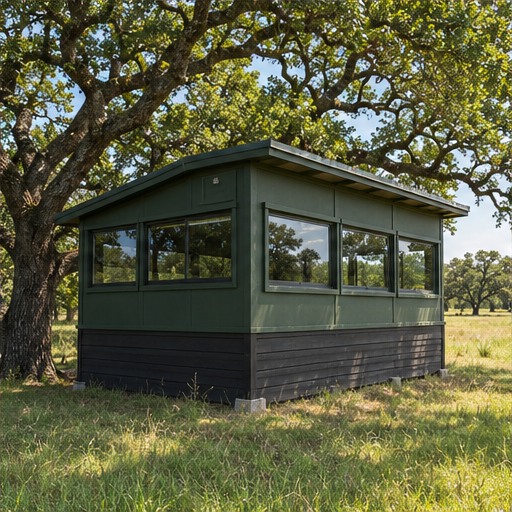
Choosing a field shelter
Your outdoor time should be whatever you wish it to be. Your shelter should fit the people, equipment,…
Read more