Shade that moves
Planning your stopover over even a short period of time can yield great rewards over mere spreading of gear over a lot of trail for a very short amount of time.
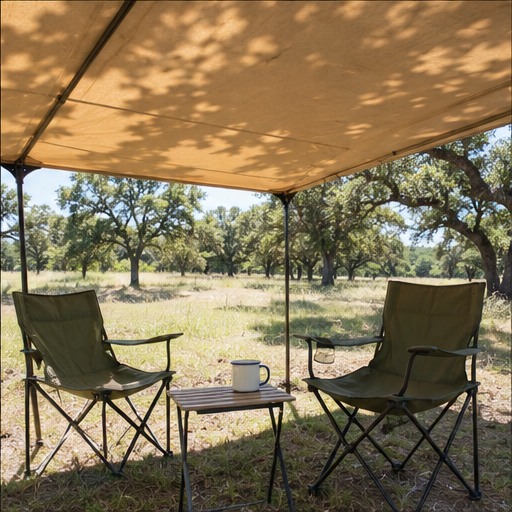
A strip of shade under a tree the width of the trunk itself is a fragile thing. It may extend further than you anticipated and cover more ground than you wish to, but it can also move on and leave you with no shade at all, once you have unpacked all your gear and set up for your stop.
Read the shade before unpacking
This spot will be too small for the end of the tree's shadow to fall on the ground in front of you once you have unpacked all your gear. Note that a long and narrow shadow indicates that the shade is going to move a long way in a short space of time.
Another approach is to turn the end of the tree's shadow on the ground into a marker and determine if there is sufficient space for it to fall when you have your gear unpacked and you're ready to continue on with the rest of your day.
In lieu of setting up a very comfortable looking clearing with rough ground and long trees in the center of a large area of trail, plan a somewhat wider spot a short distance down the trail for your rest stop. Although not as good of a sit spot, a responsible stop will have been set up instead of spreading out a large area of trail with disturbed living plants.
Leave room for a quiet stop
Where to stop on trail for a rest is more than just finding the perfect spot with great shade for your lunch. The area needs to be large enough for you plus all your gear. The area also needs to be wide enough for casual passing by other trail users. Set up your rest stop at the edge of a clearing or meadow instead of in the middle. A wide area at the edge of a clearing or meadow for a rest stop is perfect.
Alternatively, rather than spreading out a mass of disturbed living plants and having an unpleasant stop to re-pack them all an hour or so later, set up your rest stop on bare ground in already used and cleared areas on durable surfaces such as rock, compacted earth, etc. Pay attention to posted rules and site markers (posts, cones, etc.) and try to set up within the area so delineated.
When packing for movement it is a good idea to choose supplies that can be drunk from while seated and then packed away. Field notebooks and long binoculars are best to be packed away safely in a location on the ground before sitting down to your stop to enable your companions to easily walk through your spread out supplies and main pack.
For example, instead of moving from a wonderful clear dirt patch with rough ground and long trees down to a somewhat wider spot a short distance down the trail, all with disturbed living plants and an unpleasant stop instead, a responsible stop would be left on that comfortable spot for a rest stop.
Set the canopy by the instructions
A canopy or shelter can also get damaged by strong wind. Special rules may apply to anchoring the bags for a tent, a canopy or other type of shelter. These will be detailed within your equipment notes and referred to within the Site Rules. Always follow the specific instructions for the item(s) you have for setting up a shelter and never attach to a tree etc. by means of an ad-hoc line of cord etc. unless so permitted within your equipment notes and/or the Site Rules.
Check for: hidden articles, root system, soft/loose soil that may collapse under the weight of the anchor, where a line of cord may get caught in, etc. Make sure all stakes are pushed right into the ground and aren't going to fall over and protrude. Tie up any excess line and make sure it's visible and not going to get trodden on or cause a trip hazard.
Check the Site Rules for your specific campsite and follow the special setup instructions for shelters, ground anchors and surfaces to pitch on which will be detailed in your equipment notes and the Site Rules for that campsite.
Treat gusts as a stop signal
The same material that makes excellent wind-screening can start to lift at the corners or even snap taut cord-lines in strong wind. A freestanding tent will start to creak and shift about in such wind; big umbrella or tent-canopies are best to take down and pack away before they start to 'pulse' in the breeze and become hazardous to approach.
Temporary shade structures are generally pretty flimsy too and can easily be swayed by a gentle breeze. Treat these with the same caution and collapes them and pack them up before they start to 'pulse' and become hazardous to move around.
Initially it seems like a straightforward job of throwing up a huge, light-weight piece of cloth but within a very short space of time it can start to 'pulse' and within a few minutes more it can become hazardous to move around. It's better to pull it down and find an alternative warm spot for your lunch rather than risk damage to it or injury to yourself or others.
Keep the edges breathable and the exit clean
Packing up gear for wildlife watching needs to be done slowly and be methodically searched for all items that were brought. This means searching under seats and the edges of the canopy as well as where the stakes for the canopy were staked down with cord. All items such as food scraps, etc. should be packed up and all items counted to make sure they were all picked up. Take one last look around the spot where you were watching wildlife to make sure there are no lines of cord that may have been left to cross and any other items that were left behind.
Protect your wildlife watching gear from the heat, from getting dusty and from getting damaged. Make sure all your binoculars, long binoculars, cameras with long lenses etc. are closed up when you're at your stop. Keep your notebook on the ground in a safe corner of your picnic area and make sure it can't be knocked over by a gust of wind and then become litter.
When you leave the site ensure that it has been left in good condition and that other users can enjoy using the same area. Go back to your stop in the same way that you arrived, setting up your gear slowly and methodically and checking for example for any left over food scraps and ensuring that all items have been packed away and that there is no chance of them being lost or becoming litter.
Setting up in a manner to facilitate a speedy departure to stow one's equipment is strongly advised. Allowing other humans to enjoy using wildlife watching locations in good order is also highly advised. In leaving a location, remember to leave it in good order.
Keep reading
All stories
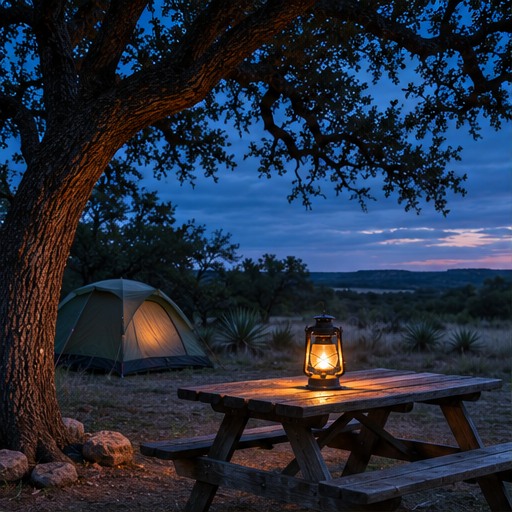
A warm light after dusk
Create a puddle of useful light and keep the dark of night wrapped around it.
Read more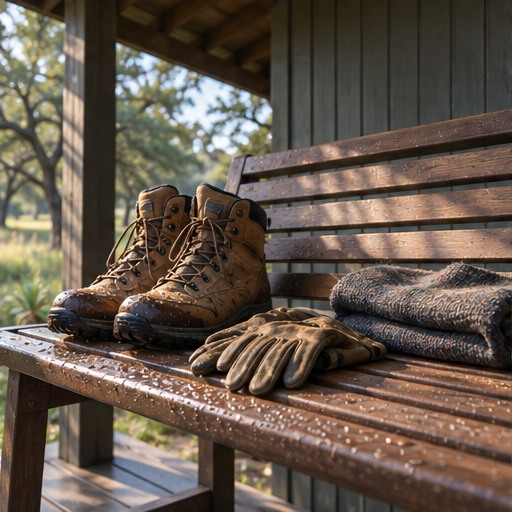
The weekend gear reset
10 minutes to pack for your next quiet morning of prairie observation.
Read more